

Standard solar feed-in tariffs are falling because the middle of the day is oversupplied. At the same time, two-way network tariffs and Solar Sharer style plans reward households that move load into the day and penalise careless peak export.
GloBird Energy, across Victoria, New South Wales, Queensland and South Australia, sells that shift as Wholesave and ZeroHero. Free hours and wholesale rates only pay off if something is actually switching the battery, the inverter and the heavy loads. Home Assistant can do it. Most households will not maintain it.
ZeroHero
ZeroHero is built for battery owners. The windows have to be automated. A default inverter schedule will not catch them.
- Free grid charging, 11am to 2pm. Usage is $0.00. A time rule on a Deye, Sungrow or Sigenergy inverter can pull from the grid and fill the battery, leaving stored energy for the evening peak.
- Heavy loads. Tuya switches in Gridkeeper can run hot water, pool pumps, spas and HVAC in that same free window.
- Peak reward. GloBird pays $1 a day if you draw under 0.03 kWh an hour from the grid on the local evening peak, often 6pm to 9pm. A rule can prefer the battery over import for that window.
- Super export. The first slice of evening export earns a premium. Discharge can start at that minute and stop at a state of charge you choose, for example 40%, so the house still gets through the night.

Wholesave
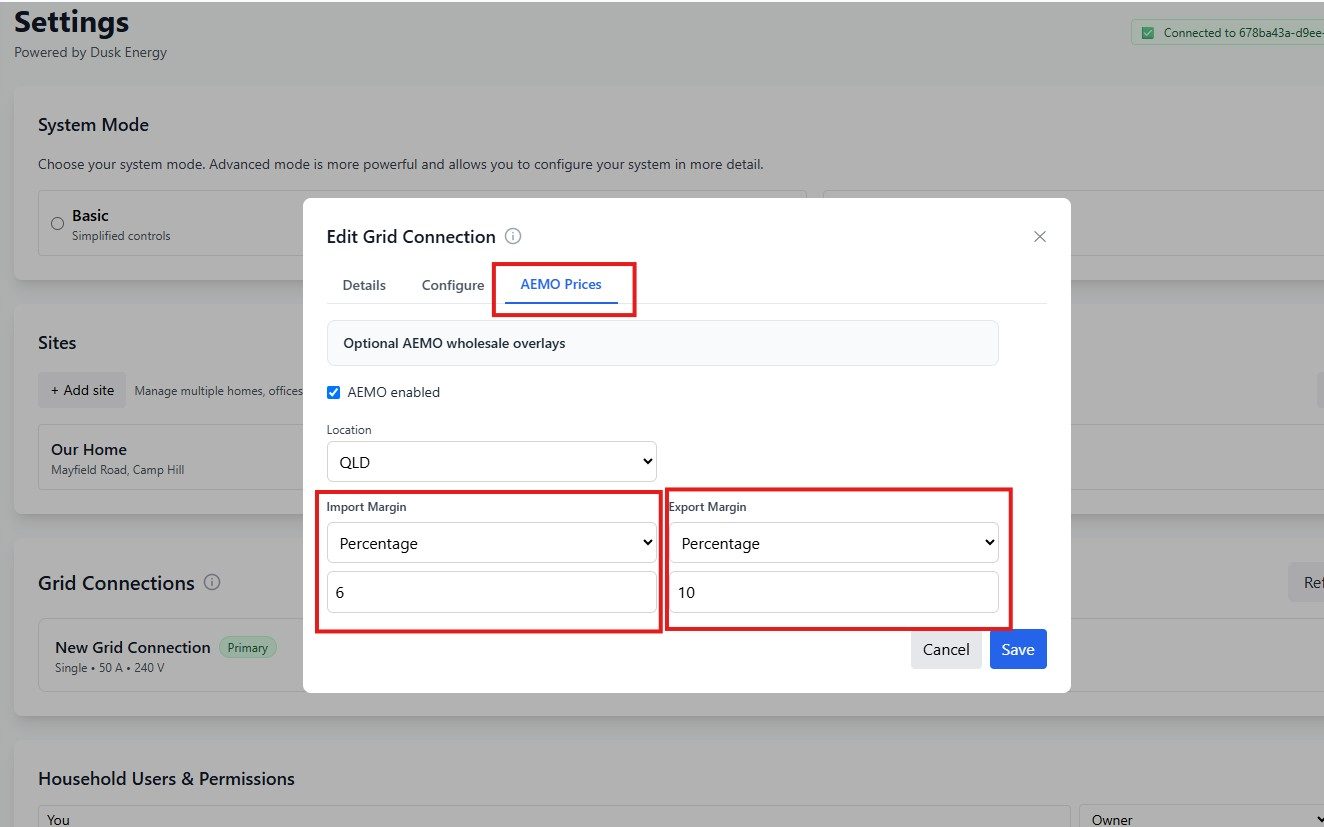
Wholesave exposes the five-minute AEMO spot price, then adds GloBird’s margins, network tariffs and environmental costs. Imports take the spot price, a marginal loss factor of about 4% to 8%, then the distributor’s fixed network charge. Exports take about a 10% allowance: you receive spot minus 10% when prices are positive, and you pay the negative price plus 10% when they are not.
In Gridkeeper that spread is configured under Settings, Grid Connections, Edit, Enable AEMO Prices. The buy price can include a fixed cents-per-kWh network tariff and an MLF markup. The sell price can subtract the 10% allowance. Those values become the live numbers your rules use.
- Negative feed-in. When your real export rate crosses below zero, a rule can curtail export.
- Tiered spikes. At 15c calculated sell price, discharge to 60% state of charge. At higher thresholds, discharge further. On a true spike, shed non-essential loads through Tuya and discharge to the minimum you set.
Cloudy days
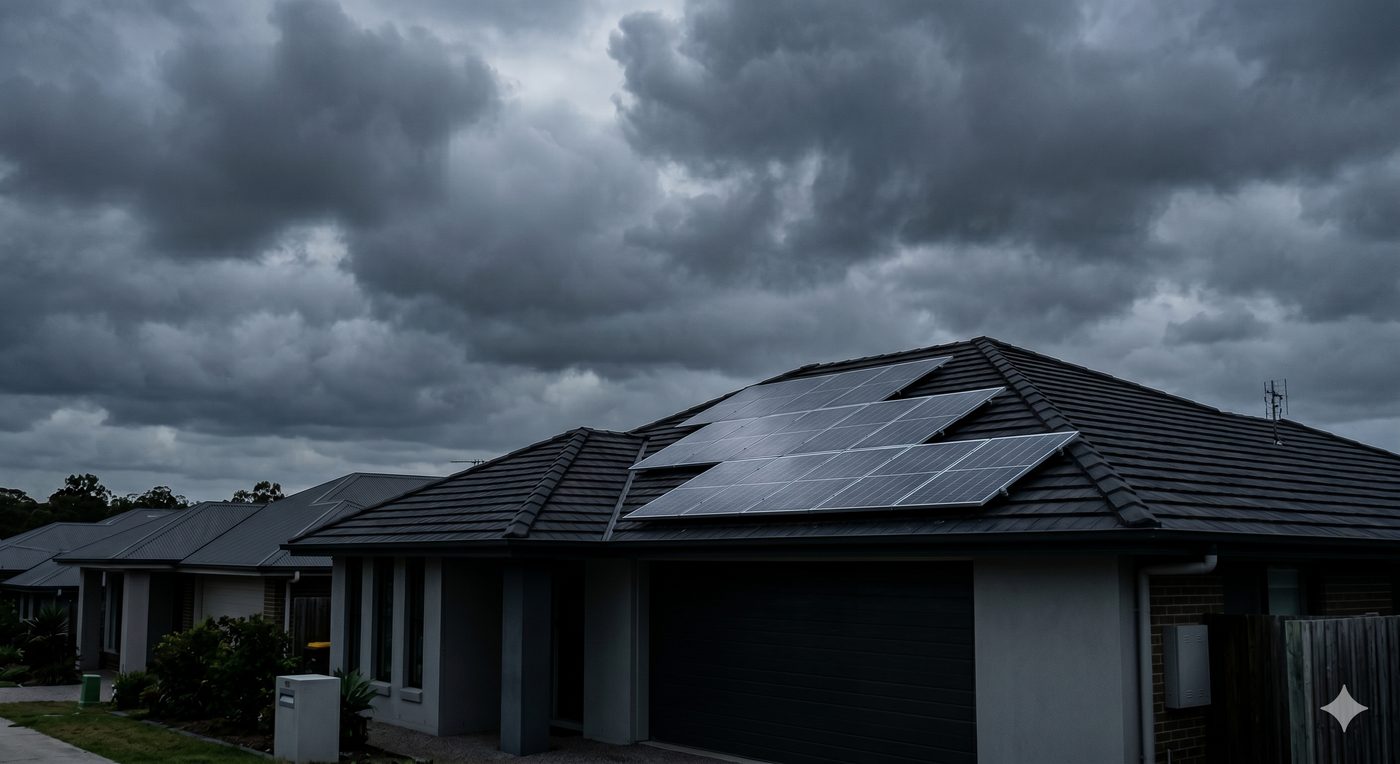
A wholesale or time-of-use plan fails on a week of rain if the battery only fills from solar. Gridkeeper uses Solmon forecasts. A rule can compare predicted solar with typical household use and, if the day will fall short, grid-charge in the cheap morning or in a free window, then hold that energy through the peak.
Gridkeeper is free to start for home users. The rules are built in Advanced Mode, in the cloud, against the inverter and the switches you already have.