
Benchmark Electricity Prices Are Falling: What Homeowners Need to Know
- Dusk Energy

- Jul 19
- 5 min read
Updated: 10 minutes ago
If you've been keeping an eye on the energy sector, you might have noticed some exciting news! As of July 1, 2026, benchmark electricity prices are officially falling across most of the National Electricity Market (NEM). This is a welcome relief for many.
The Australian Energy Regulator (AER) has released its final Default Market Offer (DMO) for 2026–27. The results show a stabilizing grid. In New South Wales, South East Queensland, and Victoria, reference prices for residential households have dropped between 3.4% and 7.2%. Small businesses are enjoying even larger reductions!
But there's more to this story than just price drops. The way energy is priced—from daily supply charges to feed-in tariffs (FiTs)—is evolving. Our network operators and energy retailers are working hard to modernize the grid and create pricing structures that support Australia’s massive uptake of renewable energy.
Here’s a deep dive into how pricing changed on July 1, what is driving these structural shifts, and how you can optimize your home energy setup to thrive in this new landscape.
1. The Big Picture: A Welcome Drop in Benchmarks
Every year on July 1, the AER sets the DMO. This acts as a safety-net price cap for customers on standing offers and a benchmark for market offers.
Here’s how the 2026–27 residential benchmarks shifted:
South East Queensland (Energex): Decreased by 7.2% (an average drop of $155/year).
New South Wales (Ausgrid, Endeavour, Essential): Decreased between 3.4% and 7.7%, depending on the exact zone and tariff structure.
South Australia (SA Power Networks): Saw a modest increase of 1.4% on flat rates, though time-of-use customers experienced slight decreases.
Small Businesses: Enjoyed significant reductions, dropping between 6.8% and 20.9% depending on the region and tariff type.
This overall downward trend shows that the renewable energy transition is starting to bear fruit, bringing wholesale generation costs down.
2. What is Actually Driving These Changes?
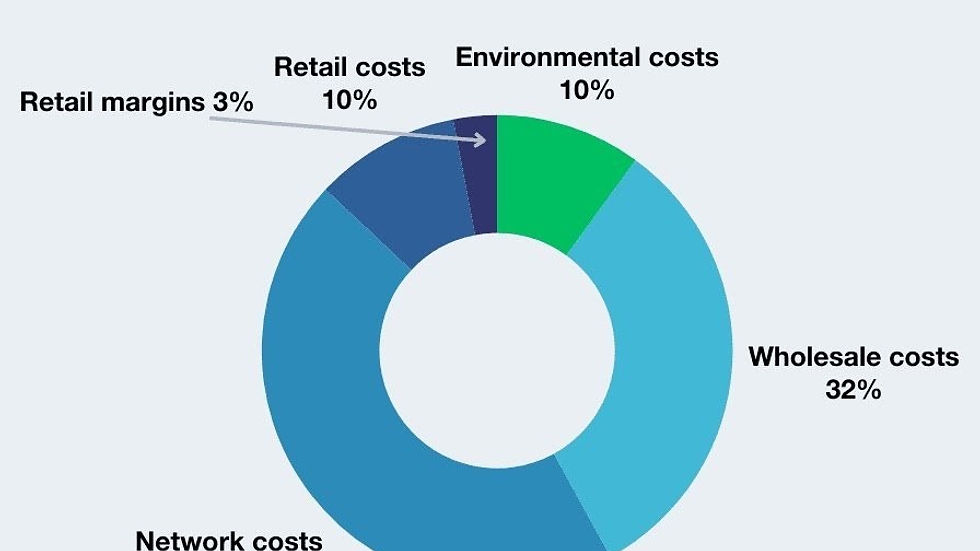
To understand the new pricing structures, let’s look at the balancing act our energy sector is performing. The cost of electricity is largely made up of Wholesale Costs (the cost to generate power) and Network Costs (the cost to maintain the poles and wires). Right now, they are moving in different directions for very good reasons.
1. Wholesale Energy is Getting Cheaper
Australia’s grid is benefiting from increased wind and battery generation. With so much rooftop solar and new grid-scale storage, the cost to generate electricity—especially during the middle of the day—has dropped significantly. Spot price volatility has also reduced, and reliance on expensive gas during peak times is easing. This is the primary driver behind the AER lowering the overall DMO.
2. Network Infrastructure is Being Modernized
While generation costs are falling, network operators (like Energex, Ausgrid, and SA Power Networks) are upgrading our physical infrastructure. Historically, the grid was built for one-way power flow—from a large power plant to your house. Today, it must safely manage two-way flows from millions of household solar systems and batteries. Maintaining grid stability, preventing localized blackouts, and building the infrastructure of the future requires significant investment. As a result, network costs have understandably increased in several regions to fund these critical upgrades.
3. How Retailers Are Adapting (and Innovating)

Energy retailers are the essential bridge between these wholesale/network realities and consumers. To balance cheaper daytime energy with higher infrastructure costs, retailers—from the "Big Three" (AGL, Origin, EnergyAustralia) to agile challengers (like GloBird, Momentum, and Flow Power)—are adapting their plans in a few key ways:
Rebalancing Supply vs. Usage Rates
Network operators need to cover the fixed costs of maintaining and upgrading the physical grid. Retailers are adjusting daily supply charges to reflect this reality. At the same time, because the actual energy is cheaper, many are lowering their per-kWh usage rates. This structural shift ensures the grid remains reliable for everyone, whether they have solar panels or not.
The Evolution of the Feed-in Tariff (FiT)
Flat-rate feed-in tariffs continue to decrease, with some standard offers dropping to just a few cents or even 0c/kWh. While this can be surprising for solar owners, it reflects market realities. During the middle of the day, the grid is flooded with free solar energy. Retailers cannot pay a premium for power when the wholesale market is already oversupplied.
The Brilliant "Solar Sharer" Initiative
To address daytime oversupply collaboratively, the government and retailers have rolled out a fantastic new initiative for 2026: the Solar Sharer Offer. Retailers are now offering eligible households with smart meters up to 24 kWh of free electricity for three hours in the middle of the day (e.g., 11:00 am to 2:00 pm). This encourages everyone—even renters without solar panels—to run their heavy appliances when renewable energy is abundant, actively helping to stabilize the grid.
4. How to Navigate the New Market: The Shift to Automation

The July 1 changes highlight a clear reality: the energy market is becoming highly dynamic. Retailers and network operators are giving us the pricing signals we need to help balance the grid. When power is abundant, it is incredibly cheap (or free). When the grid is under strain during the evening peak, power is more expensive.
For households with solar and battery storage, this presents a massive opportunity to work with the energy companies. By moving to time-of-use or dynamic wholesale plans (like Amber Electric or Flow Power), you can get paid premium export rates to supply the grid exactly when it needs it most (the evening peak), while charging your battery for free during the day.
The only challenge? You need a way to automate it.
Manually monitoring live spot prices and adjusting your battery settings every afternoon is simply not sustainable for the average household.
Enter Gridkeeper by Dusk Energy
We built Gridkeeper to help you seamlessly integrate with this evolving energy landscape. This ensures you can support the grid and maximize your returns without needing to write a single line of complex code.
Gridkeeper is a powerful, cloud-based platform designed to navigate modern energy tariffs effortlessly.
Every Retailer, Pre-Loaded: We have mapped and pre-loaded the exact tariff structures and pricing intervals of every single energy retailer in Australia directly into the platform. Whether you are taking advantage of the new Solar Sharer plans, a dynamic wholesale plan, or a complex time-of-use structure, Gridkeeper understands your pricing in real-time. (You can also build custom plans if you are located internationally).
Smart, Set-and-Forget Automation: Through a simple interface, you can set rules to align with market signals. Tell Gridkeeper to automatically hold your battery charge during the day, charge from the grid when wholesale prices drop below zero, and dispatch your stored power to the grid during the lucrative evening peak.
Hardware Integration: Gridkeeper natively connects to leading hardware like FoxESS and Deye directly via the cloud. This gives you reliable control over your system's behavior without the need for local servers or Modbus wiring.
The energy transition is here! Our retailers and network operators are laying the essential groundwork for a smarter, cleaner grid. By automating your home energy setup, you aren't just maximizing your solar returns—you are becoming an active participant in stabilizing the Australian energy network.


Comments